


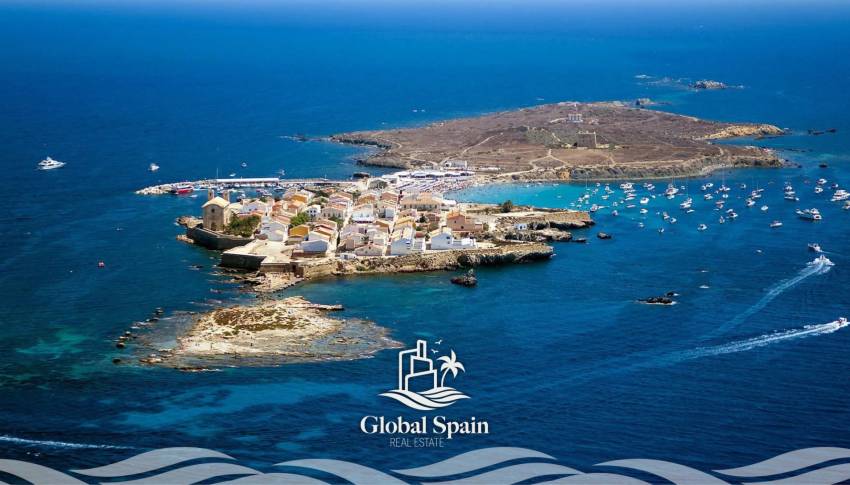
Tabarca: a small island with a great story
Off the coast of Alicante, where the Mediterranean Sea glistens in shades of blue and green, lies an island where time feels like it moves just a little slower. Tabarca is small, rugged, and pristine, yet carries a history far greater than its size suggests. Visitors will discover not only beautiful beaches and crystal-clear water, but also a unique slice of Spanish history, culture, and gastronomy.
Location and first impression
Tabarca is located approximately 22 kilometers from Alicante and about 8 kilometers from Santa Pola. The island is barely 1,800 meters long and 400 meters wide, making it easy to explore on foot. As soon as you step ashore, its simplicity is striking: white houses, narrow streets, low walls, and the sea always nearby. No large hotels, no mass tourism, just peace, sun, and sea.
The island consists of three zones: the walled historic centre, the new village and the natural landscape with rocky coastlines and small coves.
Origin and history
Tabarca's history goes back a surprisingly long way. In Roman times, the island was known as Planesia , meaning "flat island." Later, in the Middle Ages, it became notorious as a hideout for Barbarian pirates. Because of these pirates, the coast around Alicante was unsafe for a long time.
In the 18th century, King Carlos III of Spain decided to put an end to this. He fortified the island with walls, bastions, and gates and established a permanent population. These inhabitants were not Spanish, but Genoese families freed from slavery in the Tunisian town of Tabarka. In honor of their origins, the island was named Nueva Tabarca .
These Genoese influences can still be seen today in the architecture, family names and even in certain culinary traditions.
What should you definitely see?
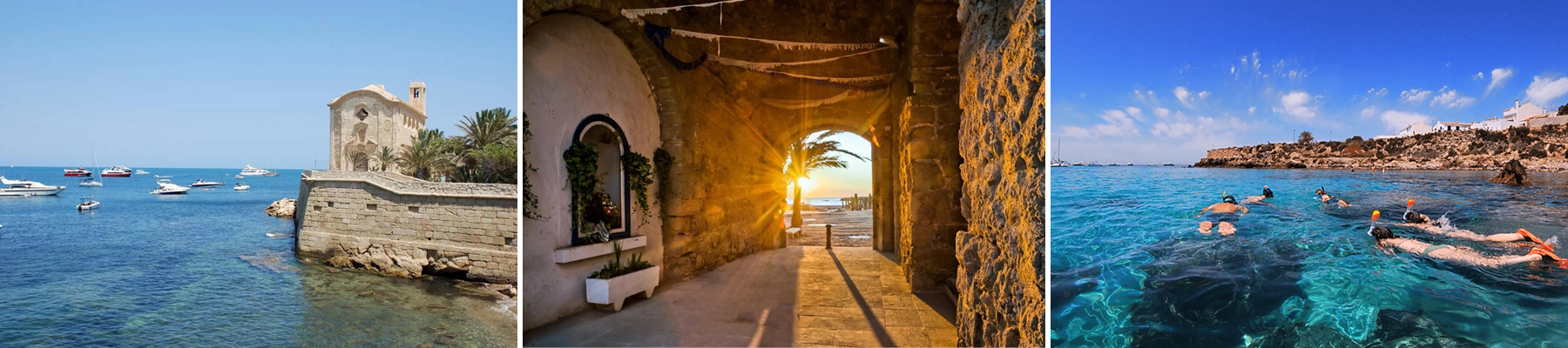
A visit to Tabarca feels like an open-air museum. The city walls and gates, recognized as historical heritage, give the island an almost fortress-like character.
The Iglesia de San Pedro y San Pablo is a simple yet characterful church in the heart of the village. The Tabarca Lighthouse is located in the quiet western part of the island. La Torre de San José was once a defensive structure and was later even used as a prison.
There are also natural bays, especially on the outskirts of the village, where the water is crystal clear. Tabarca has also been declared Spain's first marine reserve , protecting marine life and making snorkeling here exceptionally beautiful.
Food and drink: simple, fresh and local
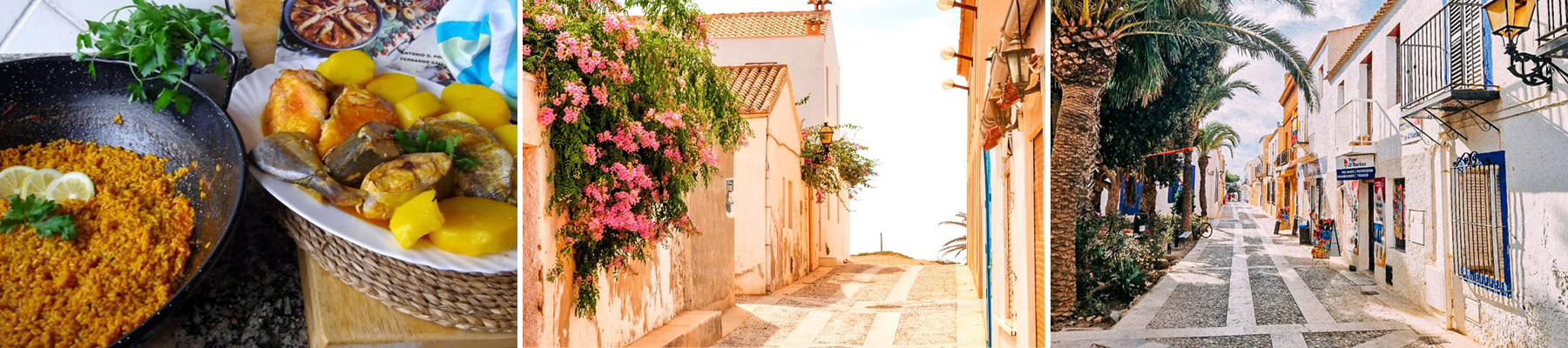
Anyone visiting Tabarca absolutely must do one thing: arroz con caldero . This traditional rice dish with fish and seafood is the culinary icon of the island. It's usually served in two courses: first the rice, then the fish with aioli.
You'll also find fresh fish, seafood, simple tapas, and local wines. Don't expect haute cuisine, but honest, fresh flavors that perfectly complement the island setting. A cold cava, a glass of white wine, or a refreshing lemonade tastes just that little bit better here, with a sea view.
How do you get there?
Tabarca is only accessible by boat. During peak season, boats depart daily from Alicante, Santa Pola, Guardamar del Segura, and occasionally Torrevieja.
From Santa Pola, the crossing takes about 15 to 20 minutes. From Alicante, the crossing time is approximately 45 to 60 minutes.
Prices vary, but on average expect to pay between 10 and 20 euros per person for a return ticket, depending on the departure point and the season.
Practical tips and costs
Access to the island is free. You only pay for the boat and your refreshments on site. It can get busy during the summer months, especially between 11:00 AM and 4:00 PM. If you're looking for peace and quiet, visit Tabarca early in the morning or later in the afternoon.
Good walking shoes, sun protection and plenty of water are essential, as shady spots are scarce outside the village.
Why Tabarca is so special
Tabarca isn't an island of spectacular luxury, but of authenticity. It's a place where history, nature, and simplicity converge. You can walk from a fortified city gate to a deserted bay, eat a dish prepared for generations, and gaze out over a protected and vibrant sea.
For those who dream of living in Spain, Tabarca fits perfectly into the broader Costa Blanca landscape: sun, culture, gastronomy, and a relaxed pace of life. A day at Tabarca doesn't feel like an excursion, but rather a short journey back in time, with your feet in the water and your head in the sun.
An island that doesn't overwhelm you, but quietly conquers you.